Effective property maintenance is the foundation of a successful rental business for any New Zealand landlord or small-scale investor. Looking after a rental home involves much more than simply repairing a leaking tap when a tenant calls. It is about actively protecting your rental income and obtaining high-quality tenants who will stay long-term.
A proactive strategy allows you to remain compliant with strict tenancy laws while safeguarding the property’s capital value. By shifting your focus from reactive repairs to planned care, you transform a simple space into a high-performing investment asset.
Why Property Maintenance Matters for Your Rental Returns
For New Zealand landlords, a well-maintained rental home translates directly to fewer vacancies, better-quality tenants, and fewer emergency call-outs. When you stay ahead of repairs, you protect your cash flow and secure stronger long-term returns. Meanwhile, neglecting the property’s physical condition is the fastest way to erode your profit margin.
At NZ Commercial Property Brokers, we operate with a discipline that serious residential landlords can learn from. While we specialise in commercial property, we treat property maintenance as an investment lever rather than just a necessary cost. Applying this commercial-grade mindset to your residential portfolio changes the way you manage your assets.
Here are the specific benefits of adopting this disciplined approach for your residential rentals:
- Attracting Better Quality Tenants. High-quality tenants have choices. When they see a property with a serviced heat pump and tidy grounds, they know the landlord is professional. This encourages them to stay longer and treat the home with respect, reducing your vacancy rates.
- Minimising Emergency Costs. We do not wait for things to break. By addressing small issues like a dripping tap or a loose window latch early, you avoid the stress and costly expense of urgent after-hours repairs.
- Protecting Long-Term Value. Every dollar spent on preserving the building extends its lifespan. Just as we safeguard the capital value of a commercial building through rigorous upkeep, you protect the resale value of your residential investment by preventing deferred maintenance from piling up.
How Professional Property Management Handles Maintenance
The difference between a stressed landlord and a successful investor often comes down to their management style. Amateurs fix things when they break. Professionals have a system to prevent things from breaking in the first place. Indeed, this shift from “reactive” to “planned” changes everything about your cash flow and stress levels.
Planned Maintenance vs Reactive Repairs
Reactive repairs catch you off guard. A hot water cylinder bursts on a Friday night, forcing you to pay after-hours rates for an emergency plumber you have never met. You have no time to look around for quotes, and you have no option but to pay the invoice instantly. This disrupts your monthly cash flow and fosters tension among tenants left without services.
Meanwhile, planned property maintenance gives you back control. By scheduling work in advance, you dictate the terms. You can freely select the tradesperson, negotiate the rate, and pick a time that suits your budget. This approach allows you to anticipate expenses months in advance rather than reacting to surprises.
The Strategic Advantages of Planning Ahead
Moving to a scheduled model offers specific operational benefits that go beyond just saving money. Here is how a proactive strategy improves your daily management experience:
- Bundling Jobs for Efficiency. Instead of calling a builder three times for three small jobs, a planned approach lets you group them into a single call. This saves you multiple call-out fees and reduces disruption for your tenants.
- Predictable Budgeting. A professional mindset of being prepared involves setting aside a small percentage of rent every month, specifically for these future costs.
- Improved Tenant Relations. Tenants prefer scheduled maintenance over emergency repairs. When you give them a long notice for a roof inspection, they feel respected. It shows you are proactive about their comfort, which creates a stronger, more cooperative relationship.
Seasonal Rental Property Maintenance Checklist for NZ Homes
New Zealand’s climate is unique, and it demands a specific strategy for every season. A constant property maintenance plan that adjusts to the seasons is the best way to safeguard your investment. To help you stay ahead, we have listed a seasonal rental property inspection checklist:

Summer Checks – Exterior Condition and Sun Exposure
Summer offers the dry weather needed to tackle exterior property maintenance jobs. It is the safest time to use ladders and the best time to apply paint. Your focus here is on the house’s exterior and outdoor living areas.
- Inspect Exterior Paint and Timber. Look closely at weatherboards and window sills. UV damage causes paint to chalk and peel, exposing the timber to moisture. If you spot flaking paint now, a quick sand-and-touch-up is a cost-effective property maintenance win that saves you from a full strip-and-paint job later.
- Check Decks and Handrails. Tenants will spend their summer evenings on the deck. Check for loose boards, protruding nails, or wobbly handrails. You should also check that the timber is not rotting at the joints. Structural failure here poses a major safety risk.
- Review Window Seals and Putty. Hot sun dries out the rubber seals on aluminium joinery and cracks the putty on older wooden windows. Once these seals fail, the winter rain will get in. You need to replace any brittle rubber or cracked putty while the weather is fine.
- Test Opening Windows. Stiff windows are a nuisance. If a window is hard to open, a tenant might force it, breaking the latch or the hinge. Lubricate the stays and catches to ensure good airflow, which is crucial for ventilation.

Autumn Checks – Gutters, Roofs, and Drainage
Autumn is your preparation period for the wet season, and your primary goal during this season is water management. Preventative property maintenance guarantees that when storms hit, water flows away from your house rather than into your ceiling or foundations.
- Clear Gutters and Downpipes. Leaves and debris accumulate quickly in autumn. Blocked gutters will overflow during heavy rain, sending water back into the eaves and wall cavities. Run a hose down the spout to confirm the water flows freely to the stormwater drain.
- Inspect the Roof. Look for cracked tiles, lifted iron, or rusted nail heads. Pay special attention to the flashings around the chimney and vent pipes, as these are common failure points. A small roof leak can cause massive damage before you even notice it inside.
- Check Surface Drains. Walk around the perimeter of the house. The ground should slope away from the foundations. Check that cesspits and driveway drains are clear of mud so that water does not pool against the house, which can cause dampness under the floor.
- Trim Trees and Branches. High winter winds can snap branches. If a tree is overhanging the roof, cut it back now. This aspect of property maintenance deters physical damage to the roof and stops leaves from clogging your freshly cleaned gutters.

Winter Checks – Moisture, Mould, Insulation and Heating
Winter is the test of a home’s performance. Your property maintenance focus shifts to the interior environment. You need to ensure that the home is warm, dry, and healthy, and that it meets all legal standards.
- Test Heating Sources. Turn on every heat pump to ensure it heats and blows air effectively. Clean the filters to improve efficiency as well. If the property has a wood burner, have the chimney swept to prevent flue fires and ensure the flue draws correctly.
- Check for Mould and Mildew. Inspect the bathroom ceilings, laundry corners, and inside wardrobes. The presence of mould indicates poor ventilation or heating habits. You may need to install better extractor fans or discuss ventilation strategies with your tenant.
- Inspect Insulation. Go into the ceiling space and look under the floor. Insulation materials can settle over time or be moved by tradespeople running cables. Make sure the coverage is even and meets the required thickness to retain heat within the living envelope.
- Monitor Ventilation Systems. Kitchen range hoods and bathroom fans must vent to the outside, not just into the ceiling cavity. Damp air pumped into the roof space will condense and rot the framing. Check if all fans are clean and the ducting is connected.
Spring Checks – Deep Clean and Tenant Comfort Refresh
Spring is the time to recover from winter and boost the property’s appeal. It is the perfect opportunity to tick off aesthetic property maintenance tasks, such as deep cleaning and tidying up the grounds.
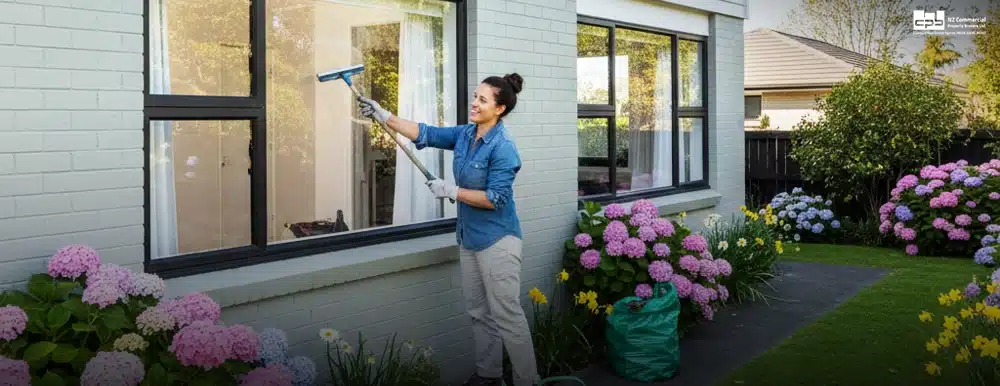
- Wash the Exterior. A soft wash of the house removes road grime, moss, and salt spray, which is essential for coastal properties. Keeping the cladding clean extends the life of the paint and makes the property look significantly better.
- Garden and Grounds Tidy-up. Winter rain causes weeds to surge. Prune back shrubs, weed the gardens, and fix any fences that might have leaned in the soft ground. A tidy garden sets the standard for the tenant to maintain.
- Check for Water Stains. Now that the worst of the rain has passed, check ceilings and walls for any watermarks. Stains indicate a leak that occurred during winter. Investigating this now avoids long-term rot.
- Pest Control. As temperatures rise, insects become more active. An expert barrier spray applied around the base of the house prevents ants and spiders from entering. This is a low-cost property maintenance item that tenants highly appreciate.
Routine Inspection Checklist: What to Look For Every Visit
While seasonal checks are dictated by the weather, you also need a strict standard procedure for your regular inspections. Whether you visit every three months or every six months, consistency is the key to success.
A comprehensive property maintenance routine ensures that you catch small issues before they become expensive problems. Using a solid property maintenance checklist prevents you from missing the basics and gives you a clear record of the property’s condition over time.
Safety and Compliance Checks Every Time
You have a strict legal and moral duty to keep the home safe for your tenants. This part of your inspection is non-negotiable, as failing to meet safety standards can lead to significant fines and liability. Prioritising safety is the most critical aspect of responsible property maintenance.
- Smoke Alarms. Press the test button on every alarm in the house. Check the expiry date stamped on the unit. If they are older than 10 years, they must be replaced immediately with long-life photoelectric alarms.
- Security Lights. Walk around the exterior and check that sensor lights trigger as anticipated. Good lighting avoids trips and falls and deters theft.
- Paths and Driveways. Look for moss buildup that makes paths slippery, or for concrete that has lifted, creating a trip hazard. You are responsible for keeping the front door safe.
Structural and Exterior Checks
A quick scan of the building’s structure can reveal signs of movement or decay that a tenant might not notice. Catching these issues early is a core benefit of routine property maintenance, as it saves you from massive repair bills down the road.
- Foundations and Piles. Look for cracks in the concrete ring foundation. If you have piles, check that they are vertical and firm.
- Siding and Eaves. Look for holes or gaps where birds or rodents might be nesting. Starlings in the roof space can cause damage to wiring and insulation.
- Fencing and Gates. Check that gates latch securely, and fences are stable. This is important if the tenants have young children or pets.
Interior Condition and Early Warning Signs
Inside the house, your goal is to distinguish between fair wear and tear and actual damage. Regular property maintenance visits allow you to monitor how the home is aging and identify areas that may need refurbishment soon.
- Flooring. Check that the carpet seams are not fraying. Look for swelling in laminate or wooden floors, particularly near the dishwasher or shower, which suggests a slow leak.
- Walls and Ceilings. Small cracks are often just settlement, but large or diagonal cracks need professional investigation. You may also need to check behind doors for plasterboard damage around the handles.
- Cupboards and Joinery. Open and close kitchen drawers and cupboards. Tighten any loose hinges. Loose joinery gets damaged easily if not fixed promptly.
Services, Plumbing and Appliances
Water is the most destructive force in a house, so your property maintenance efforts must always focus on leak detection. Even a minor drip can cause extensive hidden damage if it goes unnoticed during your inspection.
- Taps and Mixers. Check every tap for drips. A dripping tap wastes water and stains the sink.
- Under-Sink Check. Use a torch to inspect the inside of the vanity and kitchen cupboards. Feel the wood for dampness. A slow leak here can rot the cabinet floor without being seen from the outside.
- Hot Water Cylinder. Inspect the base of the cylinder for rust or moisture. Check that the roof overflow relief valve is not constantly dripping, as this wastes electricity and hot water.
Turning Inspection Notes into a Maintenance Plan
The inspection process is pointless if you do not act on the checks you collect. You must convert your raw inspection notes into a structured property maintenance schedule by categorising each observation by urgency. Immediate safety hazards or active leaks require action today, while cosmetic wear can be scheduled for a future date.
By mapping these tasks out on a calendar, you transform a simple checklist into a financial forecast. This forward-thinking approach ensures you have the funds ready when the work is needed, smoothing out your cash flow and preventing ‘surprise’ bills.
When to Move from DIY Maintenance to Professional Help
Many Kiwi landlords start by managing their own rentals to save on fees and maintain full control. However, as your portfolio grows or your personal life becomes busier, the DIY model often begins to show cracks. What started as a weekend job can turn into a complex burden, especially when you are adhering to the rental property maintenance checklist in NZ. There is a tipping point where handling property maintenance yourself costs you more in time and missed opportunities than the fees of a professional manager.
This is where the specific discipline of a commercial property manager becomes relevant. Unlike casual management, a commercial approach relies on rigid systems and higher compliance standards, offering a level of asset protection that goes far beyond simply collecting the rent.
Signs You Are Outgrowing DIY Management
You might need to reconsider your strategy if you find yourself dreading the inspection schedule or losing sleep over new regulations. If you recognise these signs, it may be time to upgrade your management style:
- Time Poor. If you are delaying inspections because you are too busy at work, you are exposing yourself to risk. Missing an inspection means missing the early signs of a meth lab, a pet-damaged carpet, or a water leak. Effective property maintenance depends on strict adherence to a schedule, not just fitting it in when you have spare time.
- Compliance Stress. The rules regarding Healthy Homes standards and the rental property maintenance checklist in NZ obligations are constantly tightening. If you are not confident that you know the current laws, you risk significant fines. A professional property manager acts as your compliance shield, ensuring every box is ticked.
- Contractor Struggles. If you struggle to get a plumber to show up on time, it is likely because you are a small, one-off customer. Tradespeople prioritise clients who provide them with steady, repeat work. Commercial-grade management leverages volume to ensure tradespeople arrive quickly to resolve property maintenance issues.
The Value a Property Manager Adds to Maintenance
A professional property manager brings leverage. Because they manage hundreds of properties, they have preferred relationships with tradespeople. They get volume discounts and, more importantly, priority service.
They also act as an emotional buffer. Discussing property maintenance responsibilities in NZ law with a tenant can be awkward, so a manager handles these conversations objectively. They know exactly what is a tenant’s responsibility and what is the landlord’s, ensuring you don’t pay for damage you shouldn’t, and that you don’t illegally refuse a repair. They keep comprehensive digital records of every job, which is essential for insurance claims and accurate tax returns.
Where NZ Commercial Property Brokers Fit Into Your Portfolio
Most investors begin their journey with residential property because it is a familiar asset class. However, as you build equity, you may look to diversify into assets that offer different yields and lease terms. While the core principle of protecting the asset remains the same, the requirements for commercial property maintenance and management are more technical than those for a standard rental home.
When your investment strategy expands into commercial real estate, you need a team that speaks the language of business real estate. At NZ Commercial Property Brokers, we have spent decades helping Waikato investors navigate this transition. We act as a strategic partner, ensuring that your move into commercial ownership is supported by rigorous systems that handle the unique complexities of the sector.
Turn Your Property Maintenance Checklist into a Growth Tool
Mastering property maintenance transforms you from a reactive landlord into a strategic one. By following the property maintenance checklist, you protect your rental income and guarantee your residential assets continue to function well year after year. This change in approach is the first step toward building a truly scalable portfolio.
As your investment goals expand beyond residential housing, teaming up with specialists allows you to apply these standards at a much higher level. At NZ Commercial Property Brokers, we guide investors who are ready to step into the commercial market. We ensure your transition to ownership of retail, office, or industrial sites is supported by robust management systems. Partnering with us shifts your good habits into an expert investment strategy, proving that a disciplined approach to property maintenance is the key to retaining lasting wealth.
FAQs
What should be in a property maintenance checklist for NZ residential landlords?
A comprehensive checklist should cover the exterior, the interior, and safety features. It must also include seasonal specifics to address New Zealand’s changing weather patterns.
How often should I do property maintenance and inspections for a residential rental in NZ?
You should conduct a formal inspection at least every three to six months. However, property maintenance is ongoing. Seasonal checks should be done four times a year to prepare for weather changes.
What are my legal property maintenance responsibilities as a residential landlord in NZ?
Landlords must provide a home that is safe, warm, and dry. To fully comply with your property maintenance responsibilities in NZ, you must meet the Healthy Homes Standards regarding heating, insulation, ventilation, moisture, and drainage. You are also responsible for maintaining the structure and services in a reasonable state of repair to prevent health hazards.
When should I switch from DIY maintenance of my rentals to a property manager?
You should switch when you no longer have the time to inspect thoroughly, when you feel overwhelmed by compliance laws, or when your location makes it difficult to visit the property. If your portfolio grows to a size where maintenance management affects your day job, it is time to outsource.
How can NZ Commercial Property Brokers help if I’m expanding from residential rentals into commercial property?
We specialise in the management and brokerage of commercial assets. We help residential investors transition into the commercial space by offering the expertise needed to manage industrial, retail, and office buildings effectively.